Experience/ Exhibit Design

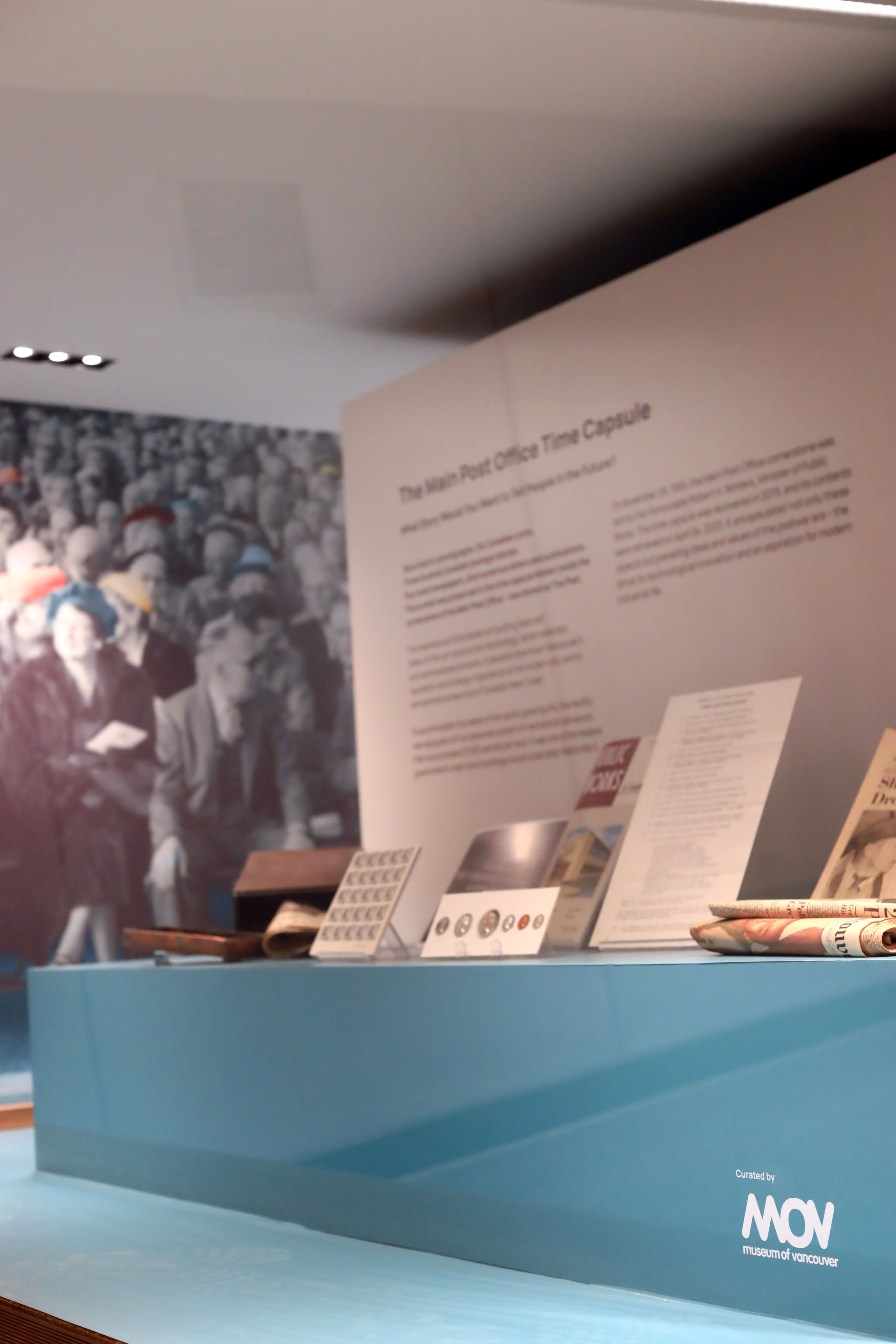
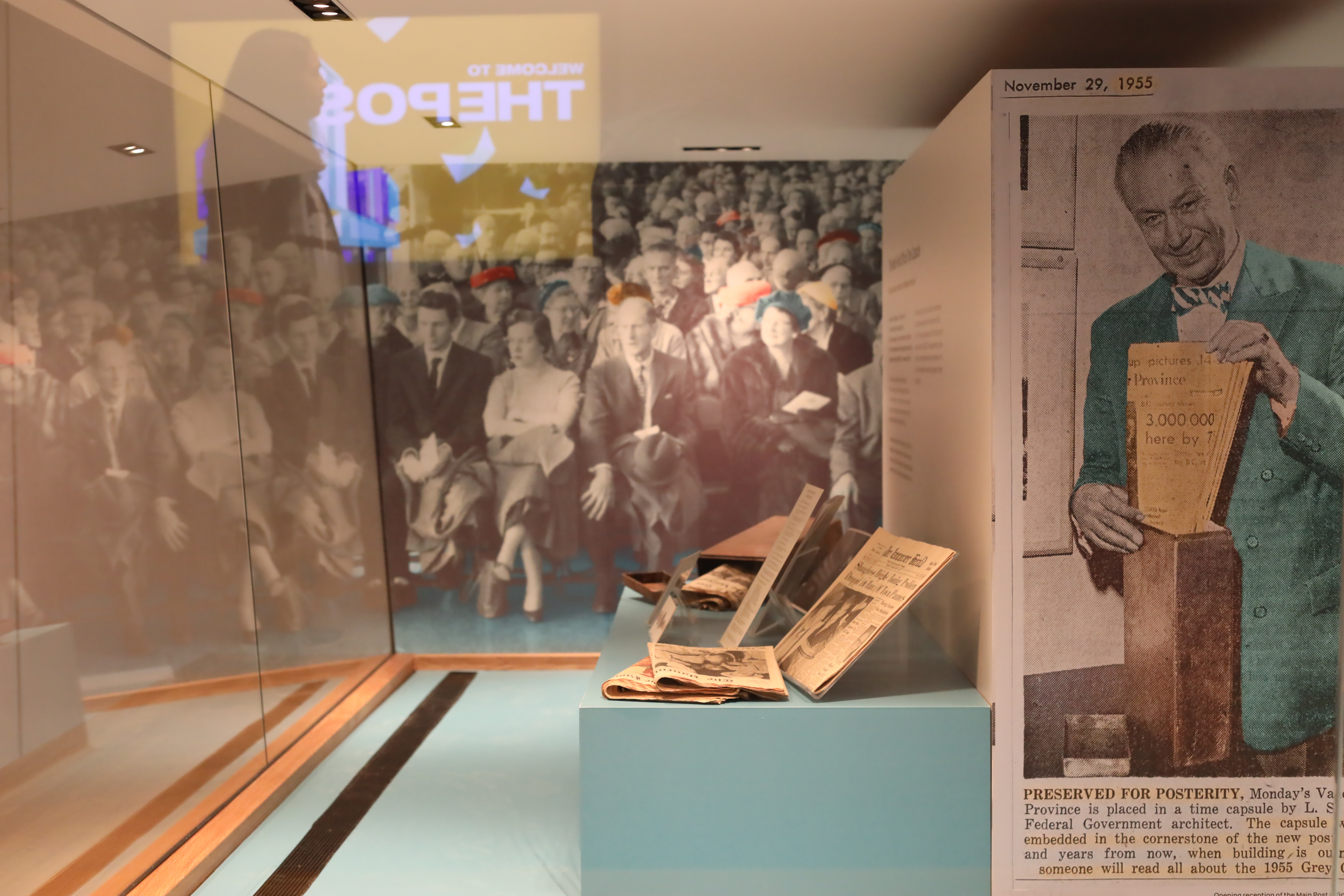
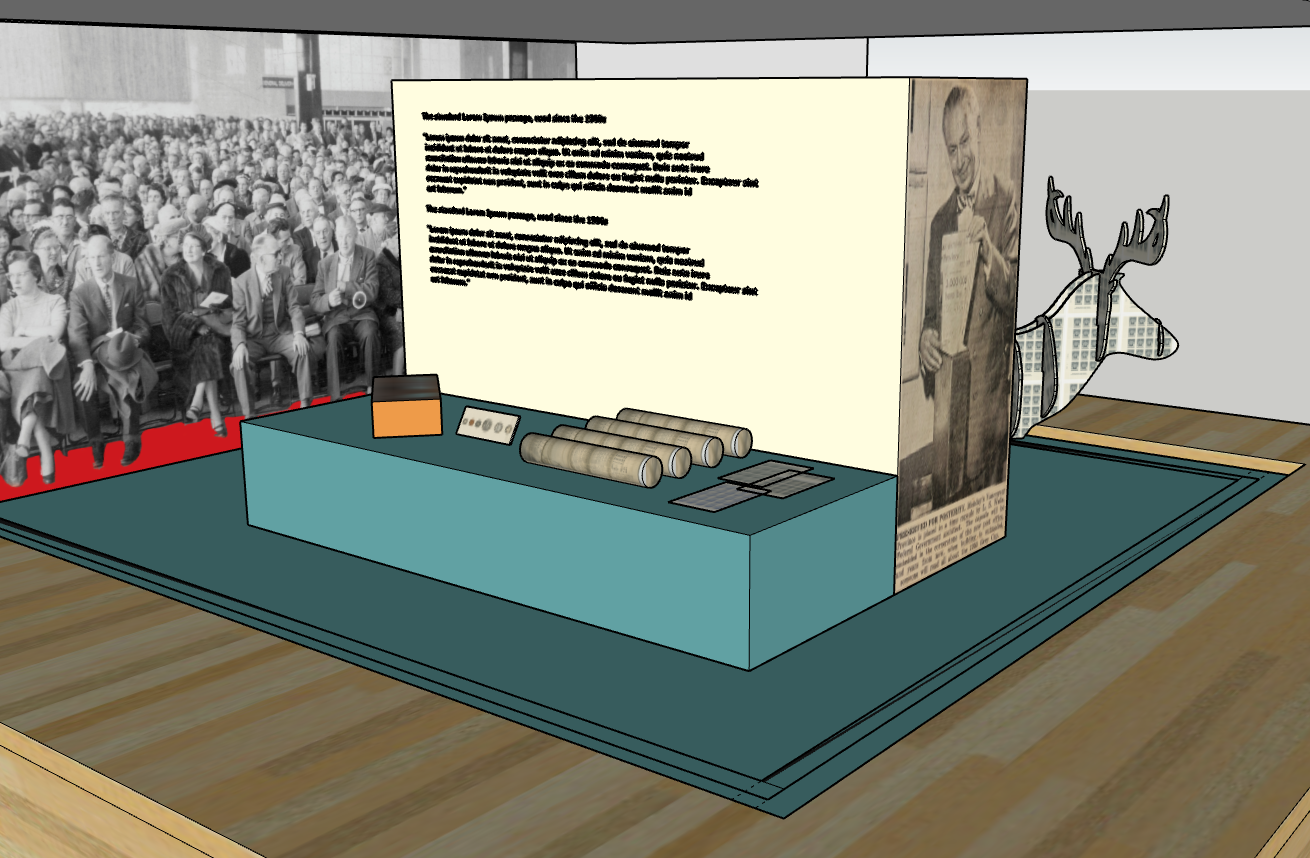
Museum of Vancouver X The Post Time Capsule

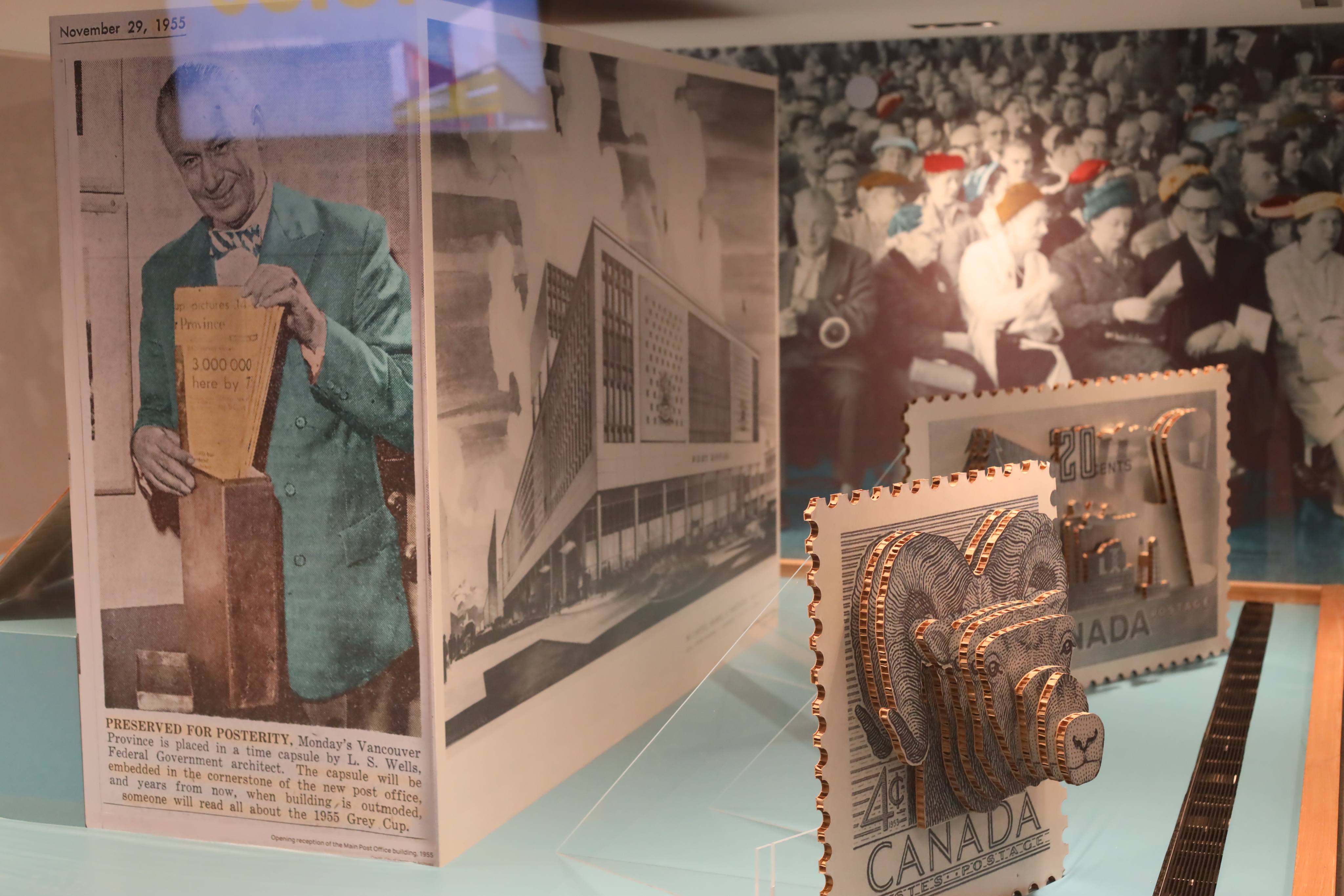
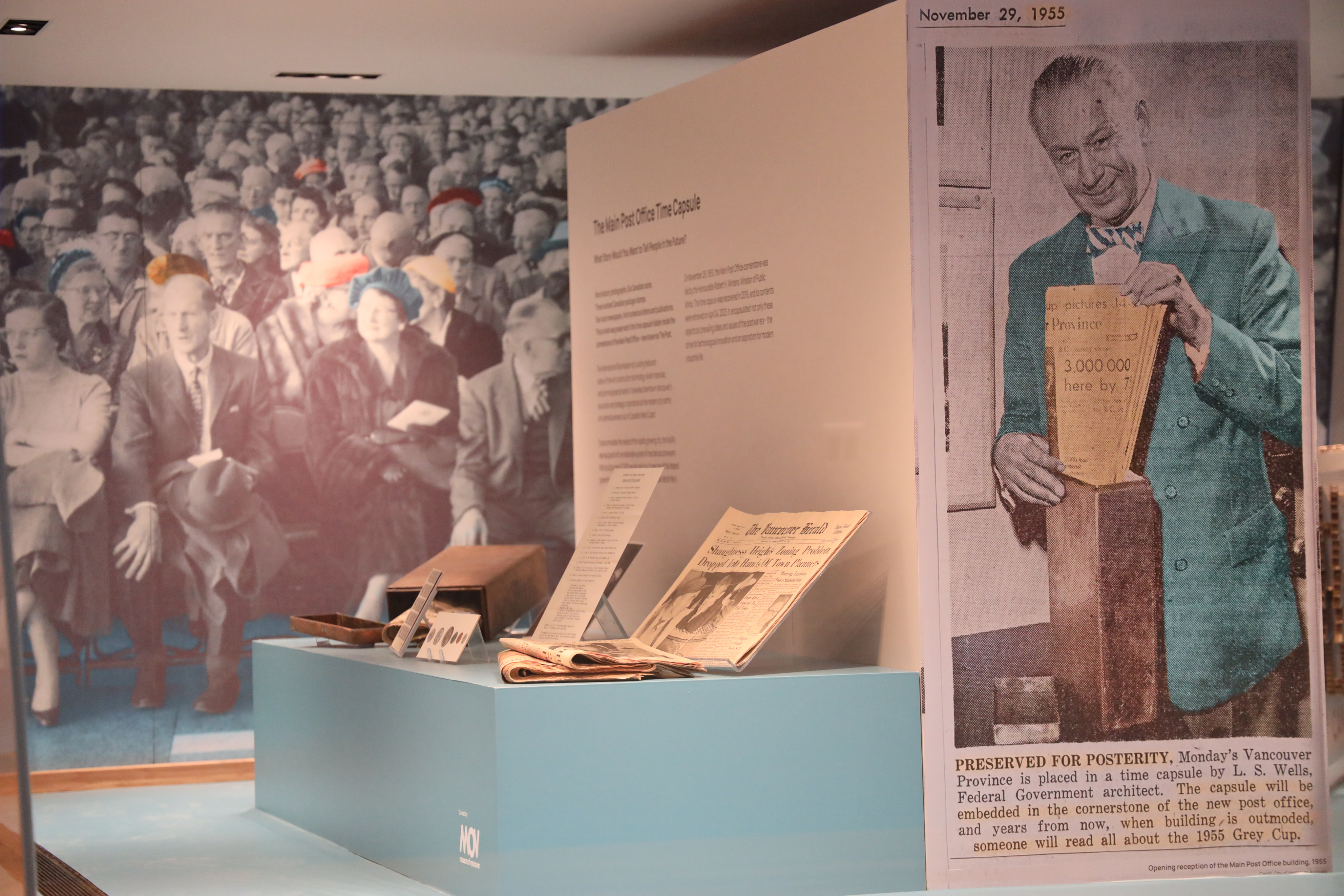
A narrative-led exhibition translating archival stories, artifacts, and collective memory into an immersive public experience.

man walking in front of textured wall

The challenge Communicate layered historical content clearly and sensitively while guiding diverse visitors through a cohesive spatial journey.
crowd of people on a town square

Systems ThinkingDeveloped modular layouts, typographic scales, and repeatable components that could adapt across panels, labels, large-format signage, and digital touchpoints.
people playing basketball outside

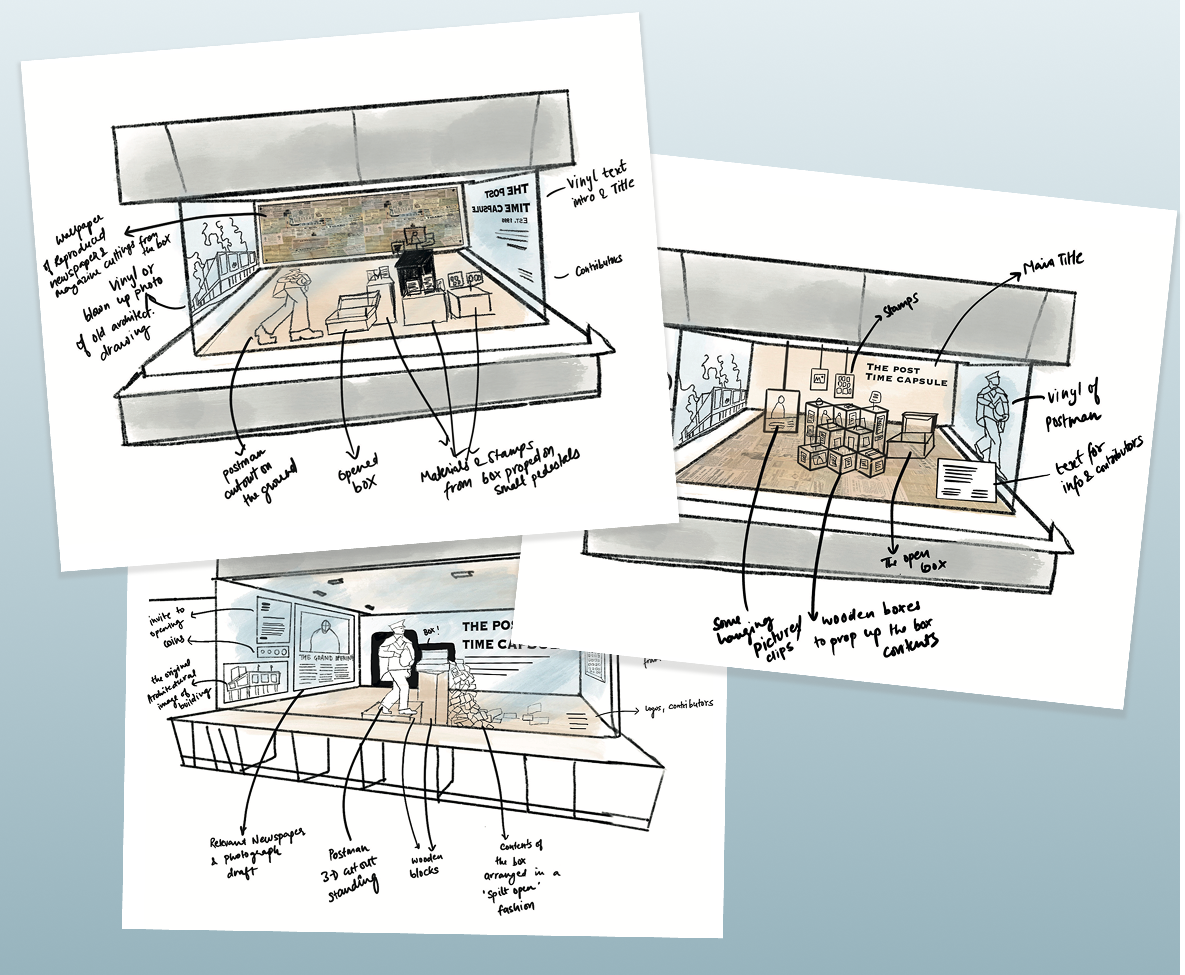
Collaboration with historians, 3-D designers and installation teams

Worked closely with curators, writers, and production teams to align narrative intent with spatial design and fabrication constraints.

Strengthened my approach to experience-led design — thinking beyond assets to how sequencing, space, and systems shape how people feel and understand.
man taking a photo on a wharf

Approach

Designed the experience as a system first — focusing on pacing, hierarchy, and wayfinding before creating individual graphics.
two people sitting on a ledge talking
people dancing on square

The result was an intuitive, emotionally resonant visitor journey where design quietly supported storytelling rather than competing with it.

Experience/ Exhibit Design

Museum of Vancouver X The Post Time Capsule

A narrative-led exhibition translating archival stories, artifacts, and collective memory into an immersive public experience.

man walking in front of textured wall

The challenge Communicate layered historical content clearly and sensitively while guiding diverse visitors through a cohesive spatial journey.

crowd of people on a town square

Systems ThinkingDeveloped modular layouts, typographic scales, and repeatable components that could adapt across panels, labels, large-format signage, and digital touchpoints.

people playing basketball outside

Collaboration with historians, 3-D designers and installation teams

Worked closely with curators, writers, and production teams to align narrative intent with spatial design and fabrication constraints.

Strengthened my approach to experience-led design — thinking beyond assets to how sequencing, space, and systems shape how people feel and understand.

man taking a photo on a wharf

Approach

Designed the experience as a system first — focusing on pacing, hierarchy, and wayfinding before creating individual graphics.

two people sitting on a ledge talking
people dancing on square

The result was an intuitive, emotionally resonant visitor journey where design quietly supported storytelling rather than competing with it.

Experience/ Exhibit Design

Museum of Vancouver X The Post Time Capsule

A narrative-led exhibition translating archival stories, artifacts, and collective memory into an immersive public experience.

man walking in front of textured wall

The challenge Communicate layered historical content clearly and sensitively while guiding diverse visitors through a cohesive spatial journey.

crowd of people on a town square

Systems ThinkingDeveloped modular layouts, typographic scales, and repeatable components that could adapt across panels, labels, large-format signage, and digital touchpoints.

people playing basketball outside

Collaboration with historians, 3-D designers and installation teams

Worked closely with curators, writers, and production teams to align narrative intent with spatial design and fabrication constraints.

Strengthened my approach to experience-led design — thinking beyond assets to how sequencing, space, and systems shape how people feel and understand.

man taking a photo on a wharf

Approach

Designed the experience as a system first — focusing on pacing, hierarchy, and wayfinding before creating individual graphics.

two people sitting on a ledge talking
people dancing on square

The result was an intuitive, emotionally resonant visitor journey where design quietly supported storytelling rather than competing with it.